
Meet the Spark Tank Finalists
Ten bold ideas. One shared goal: ending rheumatic heart disease as a public health priority.
We are proud to introduce the finalists of the RHD Innovation Spark Tank 2026. Selected from 52 applications across 28 countries, these innovators are bringing fresh thinking to RHD research, policy, advocacy and implementation.
Over the past two months, each finalist has worked to sharpen their idea and build their pitch. They will now present live at the second World Congress on Rheumatic Heart Disease in Perth, Australia (11-14 November 2026).
Thank you to everyone who applied. The quality and range of ideas made selection very difficult, and we are grateful to every applicant for their commitment to this cause.
Our Finalists
-

Dr Puspanjali Adhikari
Nepal
School-Based Prevention, Awareness, Registry and Knowledge for Rheumatic Heart Disease
Lecturer, Department of Community Medicine, Kathmandu University School of Medical Sciences (KUSMS), Dhulikhel, Nepal
Dr. Puspanjali Adhikari is a public health physician, researcher and implementation practitioner based at Kathmandu University School of Medical Sciences, Nepal. She holds a MD in Community Medicine and Tropical Diseases and has extensive experience in community-based research, health systems strengthening and translating evidence into practice.
Her work includes a strong focus on Rheumatic Heart Disease (RHD), alongside broader expertise in non-communicable diseases, epidemiology, health equity, implementation science and digital health. She has served as Co-Investigator and Project Manager on RHD research supported by the US National Institutes of Health, including work examining RHD Progression and Approaches to RHD Screening and Research in Nepal.
Dr. Adhikari is particularly interested in developing context-sensitive, community-oriented and scalable approaches to RHD prevention and control, with an emphasis on strengthening the link between research, primary health care and health-system action. Her experience in multidisciplinary research, implementation, capacity strengthening and stakeholder engagement positions her to contribute perspectives from Nepal and other resource-constrained settings to the global RHD community.
As a SparkTank finalist at the World Congress on Rheumatic Heart Disease 2026, Dr Adhikari brings a commitment to turning innovative ideas and evidence into practical solutions that can improve access to prevention, early detection, care and long-term management of RHD in underserved communities.
-

Kelcey Armstrong-Walenczak
Switzerland
Parallel Diseases, Divergent Pathways: Cervical Cancer, Rheumatic Heart Disease, and Political Prioritization in Women's Health
Kelcey Armstrong-Walenczak is a PhD candidate in Global Health at the University of Geneva’s Faculty of Medicine. Her research examines how governments prioritize preventable health conditions, and what divergent patterns of political attention, financing, and policy action can reveal about inequities in women’s health. Her doctoral project compares rheumatic heart disease and cervical cancer - two largely preventable conditions that disproportionately affect women in low- and middle-income countries - to explore the factors that drive differing trajectories of political prioritization, health system positioning, and ultimately health outcomes for women and girls.
Kelcey has more than a decade of experience in global health, having worked with international organizations and NGOs in advocacy, capacity-building, and project management. Her time in the Policy and Advocacy team at the World Heart Federation first brought her into contact with the global RHD community and helped shape the questions that underpin her doctoral research today. She currently works as a Consultant in WHO’s Climate Change, Air Quality, Energy, and Health Unit.
-

Alyssa Cho
Sweden
The role of nutritional status in RHD severity: Proof of Concept
Alyssa Cho is a researcher in the epidemiology unit at the International Vaccine Institute and a doctoral student at Karolinska Institutet Centre for Infectious Medicine in Stockholm, Sweden. She is also a registered dietitian by training, with previous clinical experience in the nutritional management of cardiovascular diseases and pediatric populations. Her research focuses on the intersection of nutrition, infectious diseases, and global health. As the coordinator for the SAVAC sentinel site network, she has experience implementing multi-country research initiatives, particularly in group A streptococcal disease surveillance and antimicrobial resistance in low- and middle-income countries. Her doctoral research explores the relationship between nutritional status and infectious diseases, with a particular focus on the potential role of undernutrition and micronutrient deficiencies in susceptibility to group A streptococcal infections and subsequent rheumatic heart disease.
-

Lotte De Wilde
The Netherlands
Early Detection of Rheumatic Heart Disease in Resource-Limited Settings Through an AI-Based Smartphone Application Screening Algorithm
Lotte De Wilde is a PhD candidate in the Department of Cardiology at Amsterdam UMC in the Netherlands. Her research focuses on valvular heart disease, particularly rheumatic heart disease (RHD). She holds a Bachelor’s degree in Biomedical Sciences and a Master’s degree in Cardiovascular Research. During her Master’s programme, she spent six months at the Jakaya Kikwete Cardiac Institute in Tanzania, studying the continuum of care for people living with RHD. A key goal of her PhD is to develop an easy-to-use screening tool for RHD.
-
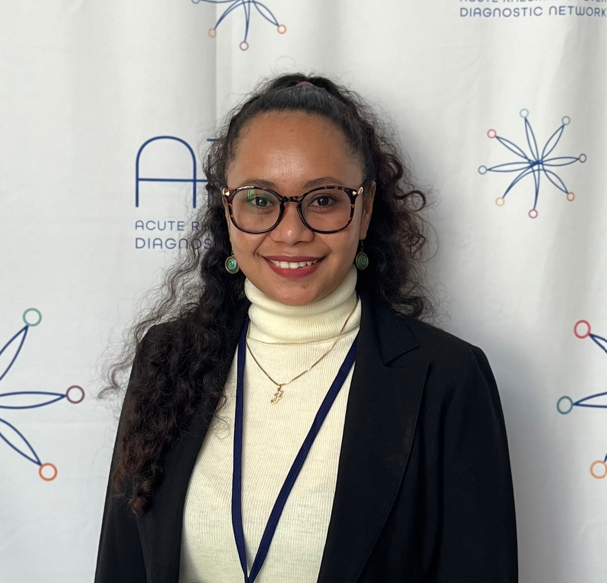
Juliana dos Santos Sarmento
Timor-Leste
Strengthening Secondary Prevention of Rheumatic Heart Disease in Children and Adolescent through Community-Based Follow-up and digital health tracking in Timor-Leste
Juliana dos Santos Sarmento is a nurse and Non-Communicable Disease (NCD) Senior Program Manager at Maluk Timor Association in Timor-Leste, where she provides strategic leadership for the Rheumatic Heart Disease (RHD) and Oral Health programs. She has extensive experience in RHD program management, health systems strengthening, clinical care, health workforce capacity building, and multi-stakeholder coordination. Since joining Maluk Timor, Juliana has progressed from clinical nursing and RHD registry management roles to leading the national RHD program, supporting the expansion of RHD services across municipalities and strengthening collaboration with the Ministry of Health. She also contributes as a national trainer in NCD, leadership, management, and health system governance. Her work focuses on strengthening local capacity, improving access to RHD care, and supporting sustainable, Ministry-led health services. She has presented her RHD work at international forums including the World Congress on Rheumatic Heart Disease, Lancefield International Symposium, and Pacific Regional RHD Forum.
-
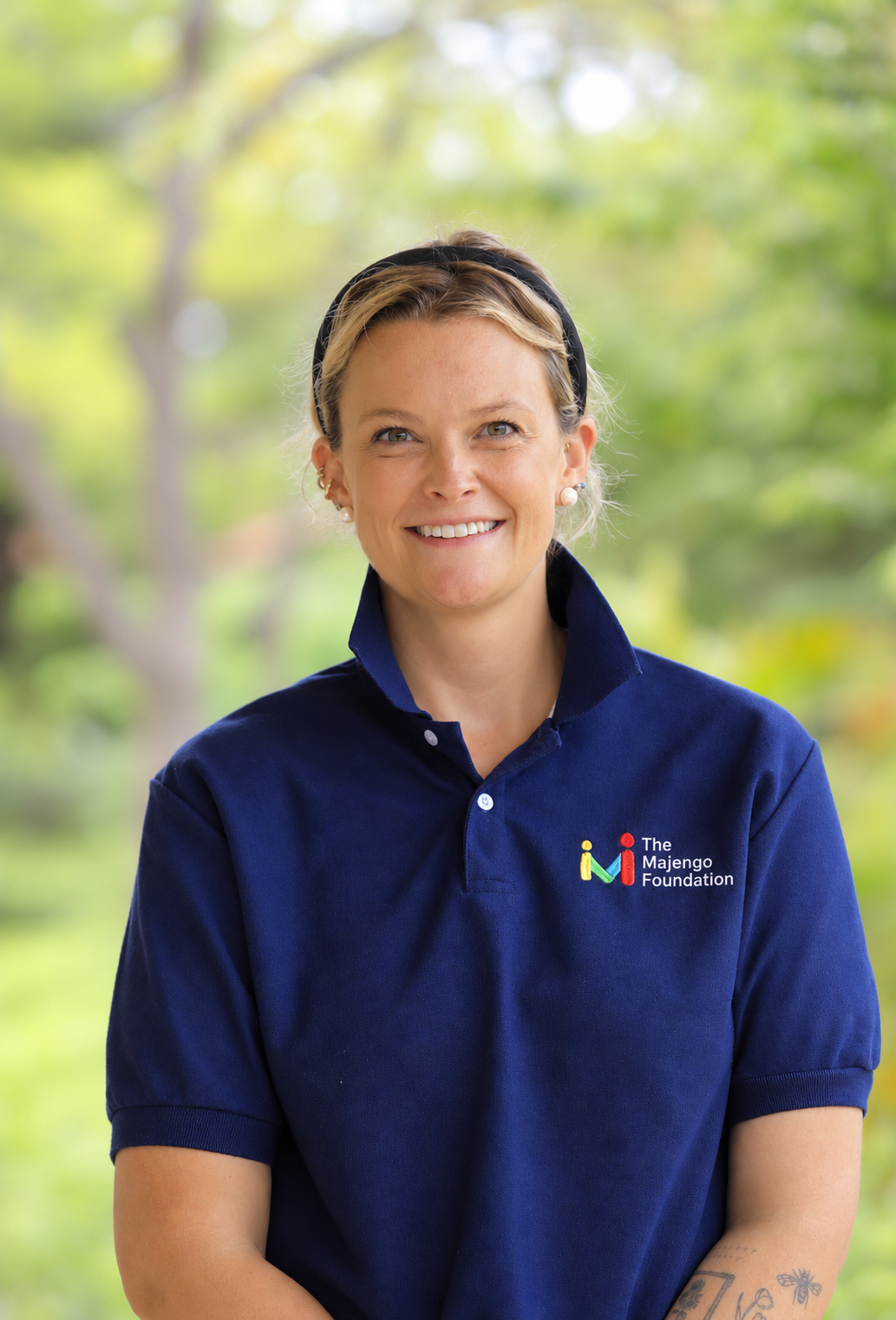
Simone Lee Hamilton
Canada (Toronto) / United Republic of Tanzania
Beyond Screening: A Community-Based Public Health Model for Rheumatic Heart Disease Prevention and Care
MPH, BEd – Chief Executive Officer, Majengo Canada | Program Director, The Majengo Foundation, Tanzania
Simone Lee Hamilton is a public health practitioner, global health program leader, and nonprofit executive with 14 years of experience working alongside communities in northern Tanzania. Her work bridges public health, implementation science, and community-led development, with a focus on translating evidence into programs that work in real-world settings.
Simone’s approach has been shaped by direct involvement in program delivery and by seeing firsthand how social determinants of health, including poverty, geography, and the practical realities of daily life, can create barriers to accessing and remaining in care. This has shaped her focus on not only whether an intervention is effective, but whether it is practical, accessible, and sustainable for the people it is intended to serve. Her experience spans program design and research through to hands-on implementation, working directly with communities, families, and clinical teams.
Since 2019, Simone has led the development and implementation of Majengo’s community-based Rheumatic Heart Disease (RHD) program in northern Tanzania, integrating school-based screening and point-of-care ultrasound (POCUS) with treatment, follow-up, and community-based care. The program has continually evolved in response to barriers encountered in practice, including bringing ongoing care closer to children through schools and communities.
This combination of hands-on implementation, program leadership, and research informs Simone’s interest in the space between what should work and what actually works, and in how limited resources can be used more effectively to improve access and continuity of care.
Simone holds a Master of Public Health in Health Equity from Boston University and a Bachelor of Education from Queen’s University and is trained in cardiac POCUS. She is currently undertaking additional training in implementation science through the Liverpool School of Tropical Medicine and in tropical medicine and global health through Nagasaki University’s School of Tropical Medicine and Global Health.
-

Treasure Mkaliainga
Malawi
Strengthening Paediatric Cardiac Tele-Mentorship and Telemedicine Capacity for Early Rheumatic Heart Disease Detection in Malawi
Treasure Mkaliainga is a Paediatric Clinical Associate and Co-Director of the Paediatric Cardiology Clinic at Kamuzu Central Hospital (KCH) in Lilongwe, Malawi. With many years of clinical and programme management experience, he cares for children with Rheumatic and Congenital Heart Disease and trains other clinicians in paediatric cardiac assessment and echocardiography. He is an Investigator in the ARC Network, where his work focuses on Rheumatic Heart Disease research and capacity-building across Malawi through the ICATCH programme. He holds a BSc in Paediatrics and Child Health (2016) and a Diploma in Clinical Medicine (2009). He will be giving an Oral Abstract Presentation on: Sydenham Chorea in Rheumatic Fever: A Multinational Morbidity Study - 142479. He is looking forward to learning from colleagues across different settings about effective strategies for the early detection of ARF and RHD, and how these approaches can be adapted to strengthen community and health-system responses.
-

Dr Victoria Ozberk
Australia
Can Vaccination Change the Course of RHD?
Dr Victoria Ozberk is an Early Career Research Leader at the Institute for Biomedicine and Glycomics, Griffith University, specialising in Streptococcus pyogenes (StrepA) vaccinology and translational immunology. Her research has focused on advancing precision epitope-based StrepA vaccines from preclinical development towards clinical translation, including candidates that have progressed to Phase I human clinical trials. She has also led the international technology transfer of a StrepA vaccine platform and contributed to the development of diverse vaccine and immunotherapeutic approaches targeting StrepA disease. Building on this foundation, Dr Ozberk has established a growing research program focused on rheumatic heart disease (RHD) and the severe autoimmune and cardiovascular consequences of StrepA infection. Her work aims to extend the role of vaccination beyond infection prevention to address the mechanisms that initiate and drive disease progression. Through the RHD Innovation Spark Tank, she is investigating whether clinically advanced StrepA vaccines could prevent RHD and slow the progression of established disease.
-

Aishwarya Rani
India
SAANJ (Surveillance and Advocacy Network for Justice in Rheumatic Heart Disease): An Equity Intelligence System to End the Silent Burden of RHD in India
Aishwarya Rani is a PhD candidate in Immunology at Amity University, India, and currently works with the Policy and Communication Division at the Indian Council of Medical Research (ICMR), New Delhi. With a background in biomedical research, scientific communication, and evidence synthesis, her work focuses on bridging the gap between research, public health policy, and strategic communication. Her doctoral research explores the role of Fetuin-A in valvular calcification associated with rheumatic heart disease (RHD). Her professional interests include health policy, research translation, public health advocacy, and improving health outcomes through evidence-informed interventions.
-

Dr Joselyn Rwebembera
Uganda
Project FEARLESS: Reimagining the Penicillin Injection Experiences for Children with Rheumatic Heart Disease
Dr Joselyn Rwebembera is a Consultant Cardiologist at Uganda Heart Institute, Deputy Director of the Rheumatic Heart Disease Research Collaborative Uganda, and a third-year PhD candidate at Makerere University. She has nearly a decade of experience in RHD research, with expertise spanning echocardiographic diagnosis, clinical trials, secondary antibiotic prophylaxis and implementation science. She is a leader in the GOAL family of studies and served as Co-Lead of the 2023 World Heart Federation guideline writing group on echocardiographic diagnosis of RHD. Her work focuses on translating evidence into practical, child-centered approaches to RHD care.
The Spark Tank Pitch Session
Each finalist will deliver a 3-minute pitch followed by a 2-minute Q&A with the judging panel.
When: Saturday 14 November 2026
Where: Pan Pacific Hotel, Perth
A judging panel of experts in science, translation, policy, advocacy and lived experience will select the Panel Award winner. The audience will vote for the People's Choice Award.
Four prizes will be awarded in total. The Panel Award, chosen by our judges, and the People’s Choice Award, voted on live by the audience in the room, will each receive AUD $25,000 in seed funding. Two runner-up prizes of AUD $15,000 each will also be awarded.
Spark Tank 2026
Meet the Judging Panel
Five global leaders in rheumatic heart disease will hear every pitch and select the winner of the AUD $25,000 Panel Award.
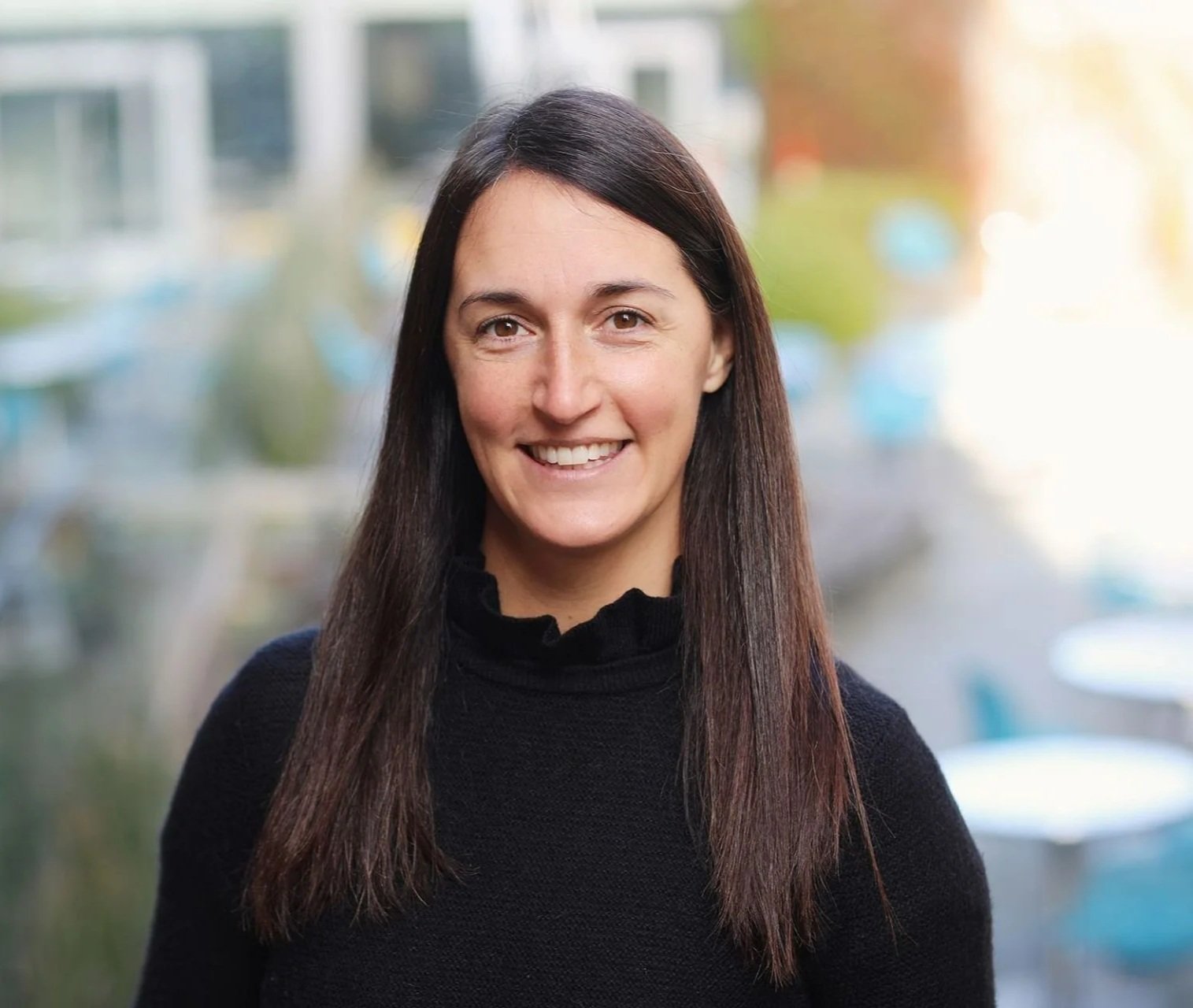
Andrea Beaton
Associate Professor
Department of Pediatrics
Cincinnati Children's Hospital


Tom Parks
Clinical Associate Professor
Department of Infectious Disease
Imperial College London
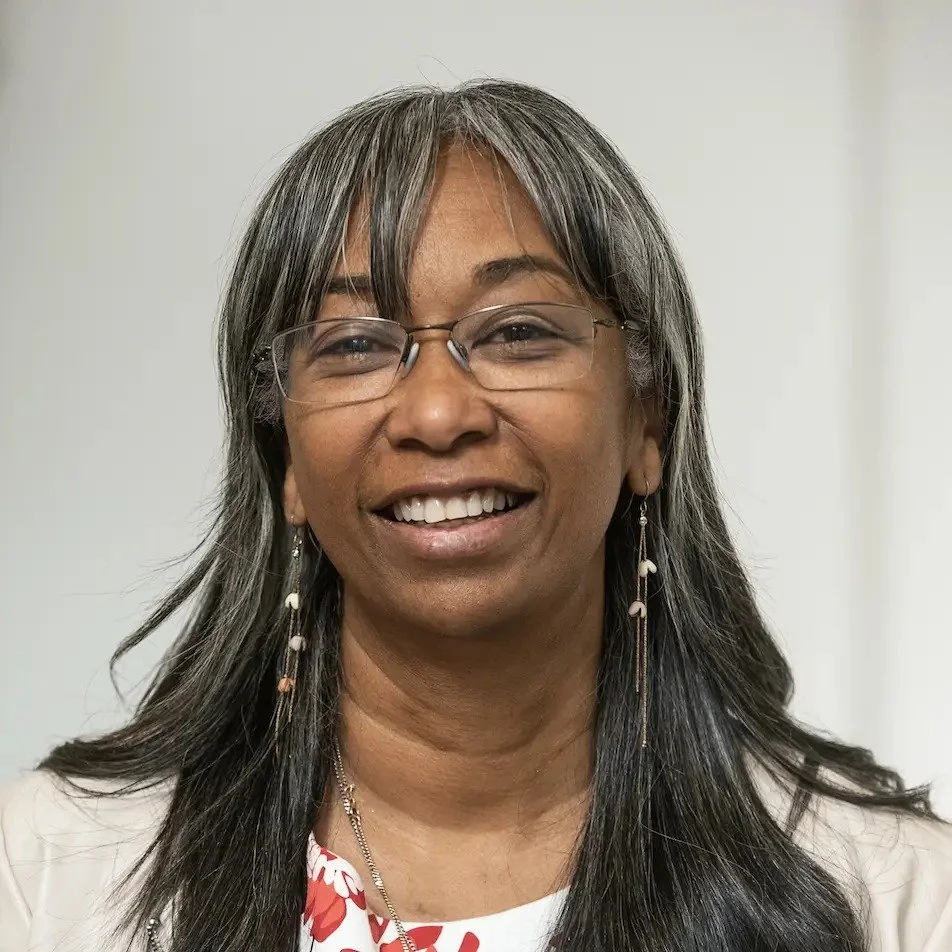
Liesl Zühlke
Professor & Paediatric Cardiologist
Division of Paediatric Cardiology
Red Cross War Memorial Children's Hospital
University of Cape Town

Krishna Kumar
Head & Clinical Professor
Amrita Institute of Medical Sciences and Research Centre
Made possible with the support of



Questions? Contact the Congress Team.